 (Image via
Your heart works tirelessly every day, pumping blood and oxygen to every corner of your body. Keeping this vital muscle strong is one of the best investments you can make for a long, vibrant life. Many people think improving heart health requires running marathons or spending hours in a gym, but that isn't true. Small, consistent changes to your daily routine can have a profound impact on your cardiovascular system. This guide explores accessible fitness habits that anyone can adopt, regardless of their current fitness level. We will break down why these specific movements matter and offer practical, encouraging ways to build them into your life, helping you strengthen your heart one beat at a time.
Understanding Cardiovascular Fitness
Cardiovascular health refers to how well your heart and lungs work together to supply oxygen to your muscles during movement. Think of your heart as an engine. A well-maintained engine runs smoothly, uses fuel efficiently, and lasts longer. Regular physical activity tunes up this engine. It helps lower blood pressure, reduces bad cholesterol, and improves your body's ability to use insulin. These changes significantly lower your risk of heart disease and stroke. The goal isn't just to look fit; it is to build a body that functions efficiently on the inside. By focusing on how exercise makes you feel—more energetic, less winded, and stronger—you can build a sustainable relationship with movement.
Core Habits for a Healthier Heart
Building a heart-healthy lifestyle is about consistency over intensity. You don't need to be an elite athlete to see benefits. Here are five specific fitness habits that are proven to boost cardiovascular health.
1. Brisk Walking: The Foundation of Heart Health
Walking is often underestimated, but it is a powerful tool for cardiovascular fitness. Brisk walking gets your heart rate up and improves circulation without putting excessive stress on your joints. It is accessible, requires no special equipment, and can be done almost anywhere.
Why It Works: Walking at a brisk pace forces your heart to pump slightly faster than normal. This consistent, moderate effort strengthens the heart muscle over time. It also helps manage weight, which is a key factor in heart health.
How to Do It:
- Aim for a pace where you can talk but not sing. This is often called the "talk test."
- Start with just 10 to 15 minutes a day if you are new to exercise. Gradually increase this to 30 minutes a day, five days a week.
- Turn your daily tasks into exercise. Park further away at the grocery store, take the stairs instead of the elevator, or schedule a walking meeting with a colleague.
- Invest in a good pair of supportive shoes to prevent foot and knee pain.
2. High-Intensity Interval Training (HIIT)
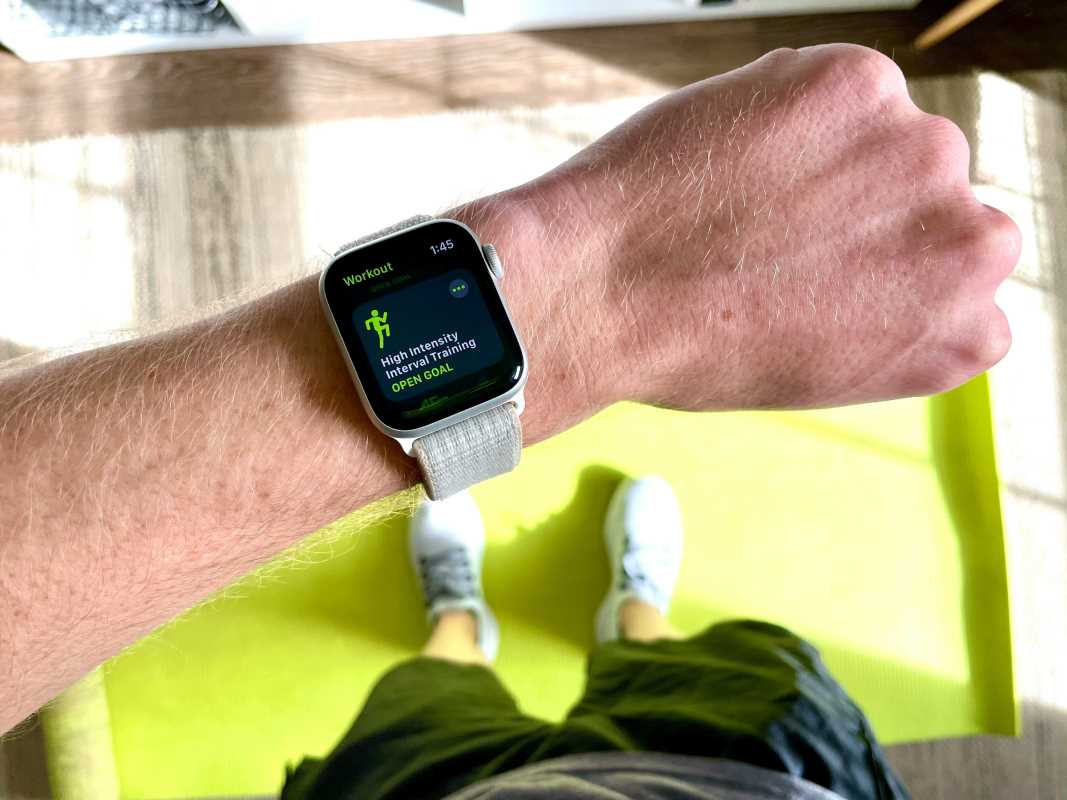
HIIT involves short bursts of intense activity followed by periods of rest or low-intensity movement. This method is incredibly efficient for improving heart health in a shorter amount of time.
Why It Works: These intervals push your heart rate up high for a short period, challenging your cardiovascular system to recover quickly. This "push and recover" cycle improves your heart's efficiency and increases your VO2 max, which is a measure of how well your body uses oxygen.
How to Do It:
- You don't need gym equipment for HIIT. You can use bodyweight exercises like jumping jacks, squats, or brisk marching in place.
- Try a simple pattern: move fast for 30 seconds, then rest for 30 seconds. Repeat this cycle for 10 to 20 minutes.
- Listen to your body. High intensity looks different for everyone. It just means working harder than your normal comfort zone.
- Start with one HIIT session a week and see how your body responds before adding more.
3. Strength Training and Resistance Exercises
Many people associate heart health solely with cardio, like running or biking. However, lifting weights or using resistance bands is equally important. Building muscle helps your body burn calories more efficiently and supports overall metabolic health.
Why It Works: Muscle tissue is metabolically active, meaning it burns more energy even when you are at rest. Strength training helps reduce visceral fat—the dangerous fat stored around your internal organs, including the heart. It also improves circulation and lowers blood pressure after exercise.
How to Do It:
- Incorporate strength exercises two days a week.
- Focus on major muscle groups: legs, back, chest, and core.
- Use what you have. Bodyweight exercises like push-ups (even against a wall), lunges, and planks are very effective.
- Grocery bags, water bottles, or resistance bands can serve as great alternatives to traditional dumbbells.
4. Active Recovery and Flexibility
Taking care of your body between workouts is just as important as the workouts themselves. Active recovery involves gentle movement that keeps blood flowing without straining your muscles. Flexibility exercises, like stretching or yoga, help reduce stiffness and stress.
Why It Works: Chronic stress is a major risk factor for heart disease. Practices like yoga and gentle stretching activate the parasympathetic nervous system, which calms the body and lowers the heart rate. Good flexibility also prevents injuries, allowing you to stay active consistently over the long term.
How to Do It:
- Dedicate 5 to 10 minutes after every walk or workout to stretch your major muscles.
- Try a beginner's yoga flow video online. Focus on breathing deeply, which oxygenates the blood and calms the mind.
- On rest days, go for a leisurely stroll or do some light gardening. The goal is to keep moving gently rather than sitting still all day.
5. Aerobic Activities You Actually Enjoy
The best exercise for your heart is the one you will actually do. forcing yourself to run on a treadmill if you hate it will not last. Finding aerobic activities that bring you joy ensures you stick with the habit.
Why It Works: Enjoyment is the key to consistency. When you engage in an activity you like, your brain releases "feel-good" chemicals like endorphins. This positive association reduces stress and makes exercise feel like a reward rather than a chore. Sustained aerobic activity strengthens the heart and lungs effectively.
How to Do It:
- Think outside the box. Dancing in your living room, swimming, cycling, hiking, or playing a sport like tennis or pickleball all count as aerobic exercise.
- Join a class or a group. The social aspect can make the activity more fun and keep you accountable.
- Experiment with different activities until you find one that makes you smile. It's okay to switch things up to keep it interesting.
Overcoming Common Barriers
Starting a new fitness routine can feel daunting. You might worry about time, energy, or not knowing where to begin. Remember that every little bit counts. You do not need an hour-long block of time to benefit your heart. Breaking exercise into three 10-minute segments throughout the day is just as effective as one 30-minute session.
Fatigue is another common hurdle. Paradoxically, expending energy through exercise creates more energy in the long run. Start slow and give your body time to adapt. Listen to your body's signals. Soreness is normal when starting something new, but sharp pain is a sign to stop. Rest is a crucial part of the process, allowing your heart and muscles to rebuild stronger.
Building a Routine That Lasts
Creating lasting habits takes time and patience. Set realistic goals that you can achieve. Instead of aiming to "get fit," aim to walk for 20 minutes three times this week. Celebrate these small victories. They build the momentum you need to keep going.
Track your progress in a way that motivates you. Use a journal, an app, or a simple calendar on your fridge. Seeing your consistency visually can be incredibly encouraging. Find a support system. Share your goals with a friend, family member, or coworker. having someone to walk with or simply check in with can make a huge difference on days when motivation is low.