 (Image via
Edge computing often gets pigeonholed as just a tool for connecting smart thermostats and factory sensors. However, this powerful technology is capable of so much more than just supporting the Internet of Things (IoT). By processing data closer to where it is created—at the "edge" of the network rather than in a distant data center—edge computing is revolutionizing industries in ways we are only beginning to understand. It creates faster, more secure, and more reliable experiences for everyone. We will explore how edge computing is transforming healthcare, redefining retail, and powering autonomous systems, showing you that the true potential of the edge extends far beyond connecting simple devices.
Redefining Healthcare Delivery and Patient Outcomes
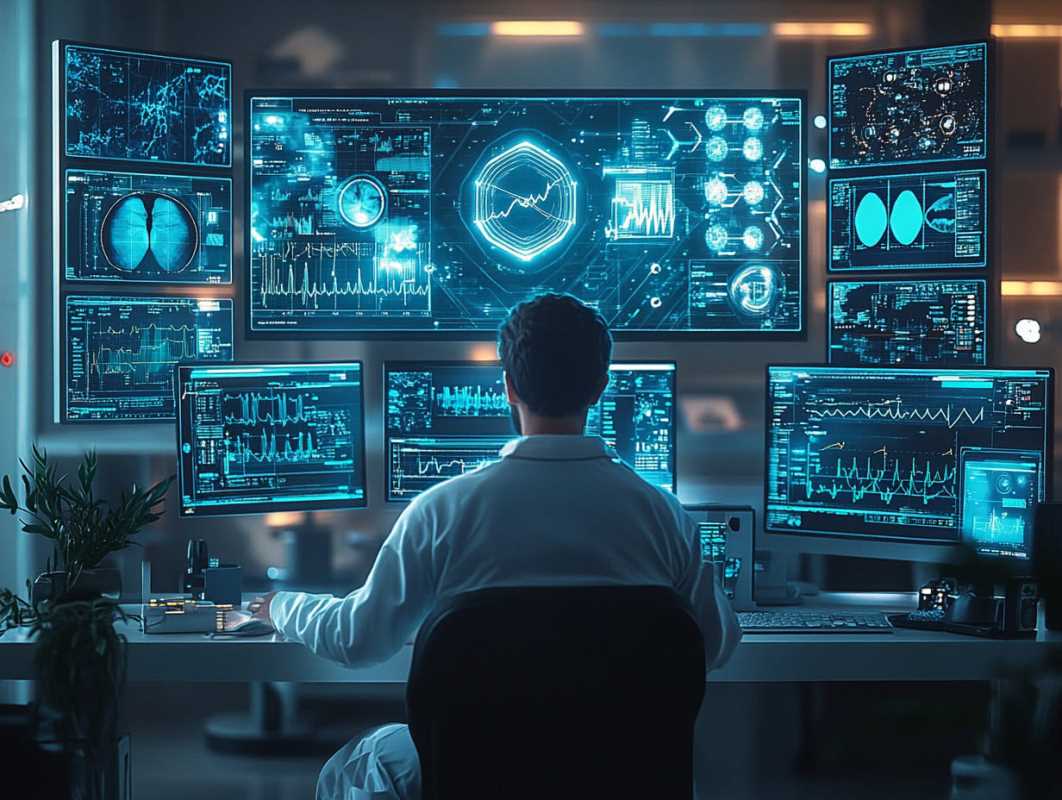
Healthcare is one of the most exciting frontiers for edge computing. Doctors and medical professionals need real-time data to make life-saving decisions. Traditional cloud computing, where data travels to a central server and back, can sometimes be too slow. In an emergency, milliseconds matter. Edge computing brings the processing power directly to the hospital or even the patient's bedside.
Real-Time Surgical Assistance
Robotic surgery is becoming more common, allowing surgeons to perform complex procedures with incredible precision. These robots rely on massive amounts of data to operate safely. Edge computing processes this video and sensor data instantly within the operating room. This eliminates the lag time—known as latency—that could occur if the data had to travel to a cloud server miles away. A surgeon controlling a robotic arm needs their movements to translate instantly to the instrument inside the patient. Edge computing ensures this connection is seamless and immediate, reducing risks and improving surgical outcomes.
Advanced Remote Patient Monitoring
Telemedicine has exploded in popularity, but edge computing takes it a step further. Wearable health monitors are becoming sophisticated medical devices. Instead of just counting steps, they can monitor heart rhythms, glucose levels, and oxygen saturation. With edge computing, these devices can analyze the data locally on the device or a nearby gateway. They can detect an abnormality, like an irregular heartbeat, and alert the patient or doctor instantly without needing to upload hours of raw data to the cloud first. This local processing protects patient privacy by keeping sensitive raw data on the device while still providing critical health alerts in real-time.
Transforming the Retail Experience
Retailers are constantly looking for ways to blend the convenience of online shopping with the tactile experience of a physical store. Edge computing is the invisible engine making these hybrid experiences possible. It allows stores to offer personalized, efficient services that were once only possible on a website.
Smart Mirrors and Virtual Fitting Rooms
Imagine walking into a clothing store and standing in front of a mirror that does more than just reflect your image. Smart mirrors powered by edge computing can overlay different clothing options onto your reflection. You can see how a shirt looks in blue, red, or green without ever changing clothes. This requires intense graphical processing that must happen instantly as you move. Edge computing handles this heavy lifting right in the store, ensuring the virtual clothes move naturally with your body. This creates a fun, engaging experience that helps shoppers make decisions faster and reduces the hassle of trying on dozens of items.
Frictionless Checkout Systems
Waiting in line is one of the biggest pain points for shoppers. Edge computing is enabling "grab-and-go" technology that could make checkout lines a thing of the past. Cameras and sensors throughout the store track the items you pick up and put in your cart. This data is processed locally in the store to identify the products and calculate your total in real-time. You can simply walk out the door, and the system automatically charges your account. This system relies on processing video feeds from dozens of cameras simultaneously. Sending all that video to the cloud would require massive bandwidth and be too slow. Edge computing handles it on-site, making the shopping trip quick and seamless.
Powering Autonomous Systems Beyond Cars
When people hear "autonomous," they usually think of self-driving cars. While that is a major use case, edge computing is enabling autonomy in many other areas. Drones, delivery robots, and agricultural machinery all rely on edge intelligence to navigate complex environments safely.
Autonomous Drones for Delivery and Inspection
Drones are being used for everything from delivering packages to inspecting power lines. A drone flying over a remote power grid needs to identify a damaged wire instantly. It cannot rely on a spotty cellular connection to send video back to a human pilot. Edge computing allows the drone to carry onboard AI models. These models analyze the video feed in real-time, identifying cracks or damage as the drone flies. This capability allows drones to inspect critical infrastructure in dangerous or hard-to-reach areas autonomously, improving safety for human workers and ensuring reliable power for communities.
Precision Agriculture
Farming is becoming a high-tech industry. Autonomous tractors and harvesters use edge computing to make split-second decisions in the field. As a tractor moves through a field, onboard cameras can distinguish between a crop and a weed. Edge processors analyze these images instantly, triggering a sprayer to target only the weed with herbicide. This "see and spray" technology significantly reduces the amount of chemicals used, saving the farmer money and protecting the environment. It requires processing visual data at high speeds, something that would be impossible if the tractor had to wait for a signal from a remote data center in a rural area with poor connectivity.
Enhancing Privacy and Security
Data privacy is a growing concern for everyone. We create massive amounts of data every day, and we want to know it is safe. Edge computing offers a unique advantage in data protection by keeping information local.
Localized Data Processing
Sending data to the cloud involves moving it across the public internet, where it could potentially be intercepted. Edge computing minimizes this risk by processing sensitive data where it is collected. For example, a smart security camera with edge capabilities can analyze video footage locally to detect a person. It can then send just a text alert saying "Person Detected" to your phone, rather than streaming the raw video of your home to a cloud server. The video stays safely on the camera unless you choose to view it. This approach reduces the amount of sensitive personal data floating around in cyberspace.
Compliance and Data Sovereignty
Many industries have strict rules about where data can be stored. Hospitals and financial institutions often must keep customer data within specific geographic borders. Edge computing makes compliance easier. A hospital can process patient data on edge servers located within the hospital building, ensuring the data never leaves the facility's secure perimeter. This gives organizations greater control over their data governance, helping them meet regulatory requirements while still leveraging advanced analytics.
The Future of Content Delivery and Gaming
Entertainment is another sector reaping the benefits of edge technology. We all want high-definition movies and lag-free video games, regardless of where we are. Edge computing is reshaping how content is delivered to our screens.
Immersive Cloud Gaming
Video games are becoming more graphically intensive, requiring expensive hardware to run. Cloud gaming services promise to let you play high-end games on any device by streaming the game from a server. However, gaming requires incredibly fast reaction times. If you press a button and your character jumps half a second later, the game is unplayable. Edge computing moves the game servers closer to the players. Instead of connecting to a server across the country, your device connects to an edge node in your city. This drastically reduces latency, making the gameplay feel responsive and smooth, even on a smartphone.
Augmented Reality (AR) Experiences
Augmented Reality overlays digital information onto the real world, like the smart mirrors mentioned earlier or AR navigation apps on your phone. For AR to be convincing, the digital objects must stay "locked" to the real world as you move your camera. If there is a delay, the digital objects will slide around, breaking the illusion. Edge computing provides the low-latency processing needed to render these 3D objects instantly. This opens up possibilities for educational AR apps, interactive museum exhibits, and advanced navigation tools that guide you through complex buildings or city streets.
Embracing the Edge Era
We are moving into an era where computing power is everywhere, not just in massive data centers. Edge computing is the invisible thread connecting our physical world with digital intelligence. It is making surgery safer, shopping easier, and farming more sustainable.
By processing data locally, we unlock speed, reliability, and privacy that the cloud alone cannot provide. This does not mean the cloud is going away; rather, the edge and the cloud will work together. The cloud will handle long-term storage and big-picture analysis, while the edge handles immediate action and real-time decision-making.
Understanding these use cases helps us see the bigger picture. Technology is evolving to become more responsive to our needs. Whether it is a drone inspecting a bridge or a mirror helping you pick an outfit, edge computing is working quietly in the background to improve our lives. It is an exciting time to watch these innovations unfold, as the edge pushes the boundaries of what is possible in every corner of our world.